
Blog
Unearthing the fascinating history of gambling through the ages

Unearthing the fascinating history of gambling through the ages
The Origins of Gambling
The history of gambling can be traced back thousands of years, with evidence suggesting that ancient civilizations engaged in various forms of betting and wagering. Archaeological findings indicate that the earliest known gambling artifacts were found in China, dating back to around 2300 BC. These included rudimentary games of chance that laid the groundwork for future gambling practices. Platforms like Betinia official site show just how far the gambling experience has come since those early days.
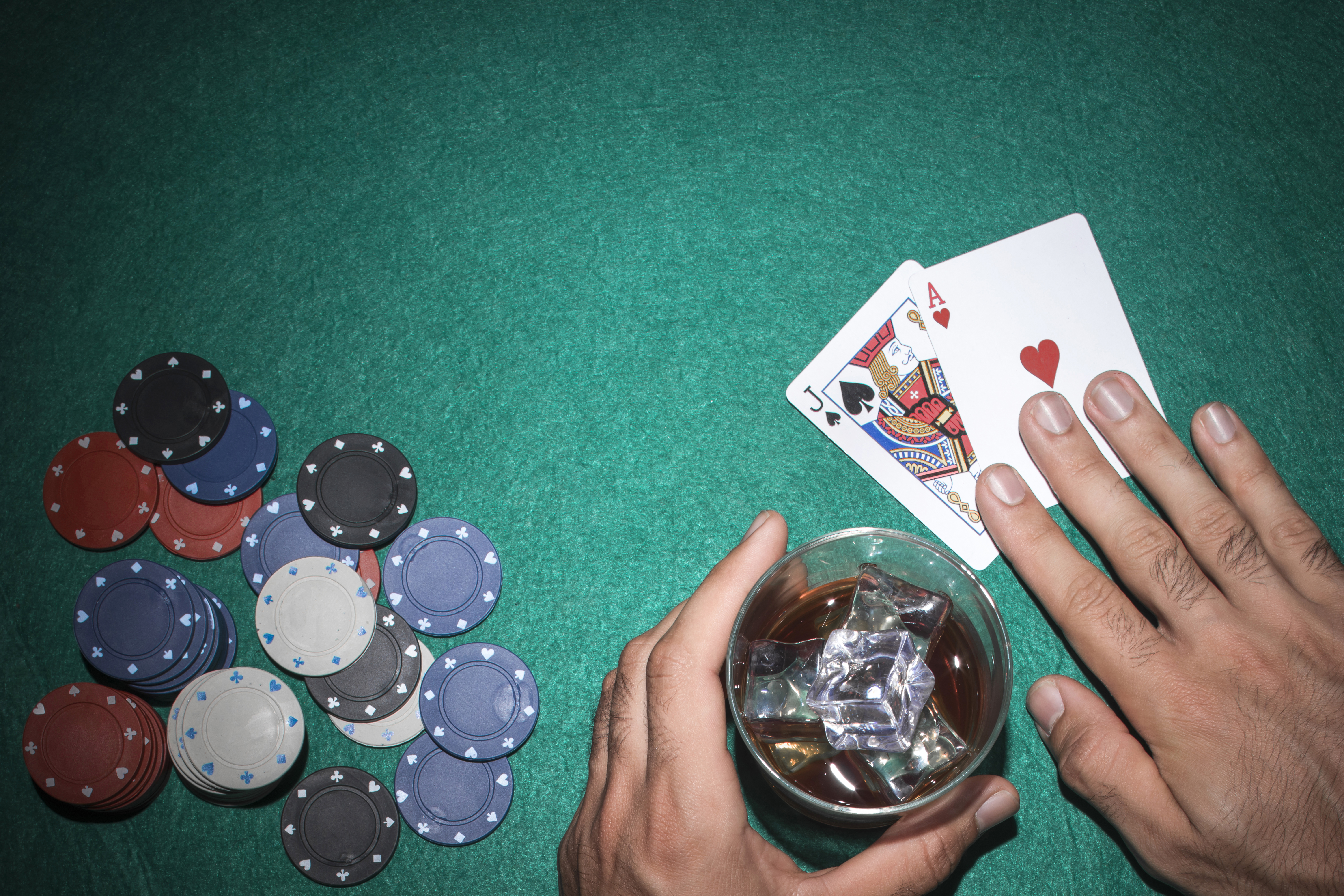
Furthermore, ancient Roman and Greek cultures also embraced gambling, using dice and betting on gladiatorial games. These early forms of gambling were not merely recreational; they were deeply embedded in the social and cultural practices of the time, reflecting human nature’s inherent attraction to risk and reward.
The Evolution Through the Middle Ages
As societies evolved, so did the concept of gambling. During the Middle Ages, gambling became a popular pastime among nobility and common folk alike. It was during this time that card games began to emerge, becoming increasingly sophisticated. The introduction of playing cards from Asia to Europe led to the establishment of various card games that would eventually take on a life of their own.
The Church’s stance on gambling during the medieval period was often negative, viewing it as sinful. However, this did not deter the practice; instead, it led to the development of underground gambling houses. These clandestine venues often flourished, showcasing humanity’s enduring fascination with chance and fortune.
The Rise of Modern Gambling
The 17th and 18th centuries marked a significant turning point in the history of gambling, as it began to take on a more organized form. The establishment of state-sponsored lotteries in Europe demonstrated a shift toward regulated gambling. These lotteries not only generated revenue for governments but also brought gambling into the mainstream.
During this period, casinos began to emerge in cities like Venice and Monte Carlo, becoming glamorous destinations for the elite. The allure of these establishments was not just about gambling; they offered a social atmosphere where high-stakes games attracted wealthy patrons. This era laid the foundation for modern gambling as we know it today.
The Digital Revolution of Gambling
The late 20th century saw a seismic shift in the gambling landscape with the advent of the internet. Online gambling platforms began to emerge, revolutionizing how people engaged with games of chance. From online casinos to virtual poker rooms, the digital age made gambling more accessible than ever before.
As technology continued to advance, so did the sophistication of online gambling. Live dealer games and mobile gambling apps became popular, allowing players to experience the thrill of a casino from the comfort of their homes. This digital transformation has attracted a new generation of gamblers, reshaping the industry and expanding its reach globally.

Exploring Online Gambling with Betinia Canada
Today, platforms like Betinia Canada represent the forefront of the modern gambling experience. Offering a wide range of games including slots and live dealer options, Betinia caters to both novice and seasoned players. With an intuitive interface and generous welcome bonuses, the site enhances the overall gaming experience, making it easy for users to find their favorite games.
In an increasingly competitive landscape, online casinos are constantly innovating to attract and retain players. Betinia Canada exemplifies this by providing regular promotional offers and a vibrant community atmosphere. As the world of gambling continues to evolve, online platforms will undoubtedly play a crucial role in shaping its future.